


Tears of Metal is a third-person hack-and-slash game with roguelike elements that rewards the player every death without ever making the game less challenging. The uniqueness of Tears of Metal comes from its entire gameplay approach. Instead of leaving it to a top-down 2D view, the game transports you to a 3D battlefield. You play as a Scottish soldier charging into the battlefield with a sword in his hand and a few dozen ragtag soldiers around you. There is a grittiness to the atmosphere, and the combat both blend well together, creating something original with this title. Here is my full impression of the Tears of Metal Demo.
Medieval Ruggedness
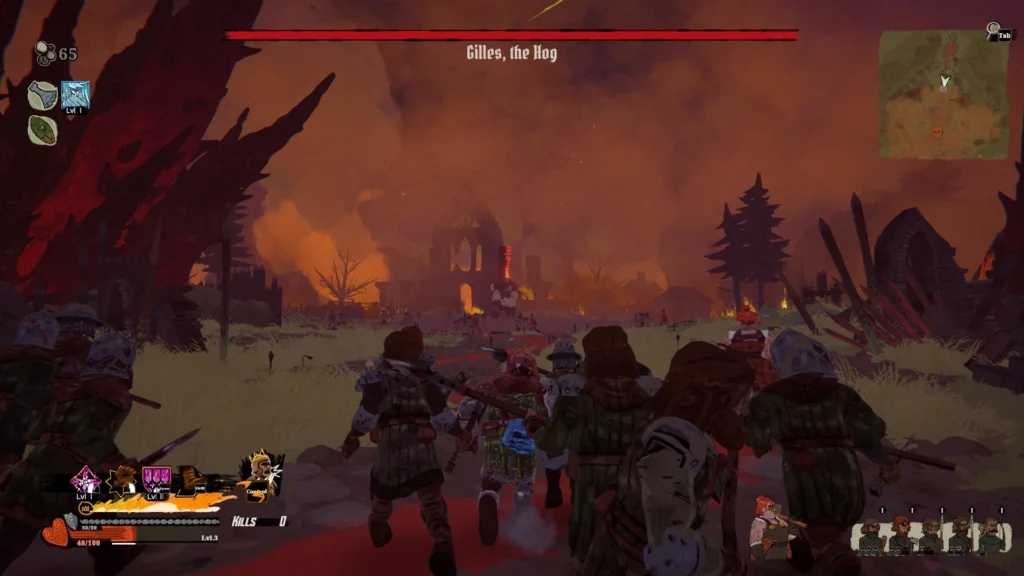
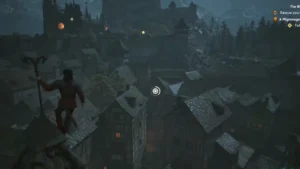
I have to talk about the visuals a bit; Tears of Metal looks as if it has been stripped from the concept art phase of making a comic book. There is a level of roughness from every wooden structure on the ground to the clouds floating in the sky, elevating the overall game’s atmosphere. The stylized aspect of the visuals does sell the theme of the game without ever betraying the game’s time period. Tune into any show that takes place in the medieval period, and you will see a level of roughness in every piece of land and city; Tears of Metal successfully captures the roughness of the medieval period with its visual artistry.
The comic book aspect never leaves the screen and permeates across all elements, from combat to base building. The same goes for the character models, as they are also designed in a fashion to fit nicely into the overall visual aesthetics that the game is aiming for. While the area changes from one stage to another, the biome stays the same, as all the stages take part in a single battlefield; in different stages, you will encounter different layouts of the same battlefield under the same blue sky. So far, the demo only lets you play the first act; we might see more biomes and different settings in later acts down the line.
It’s All About the Combat
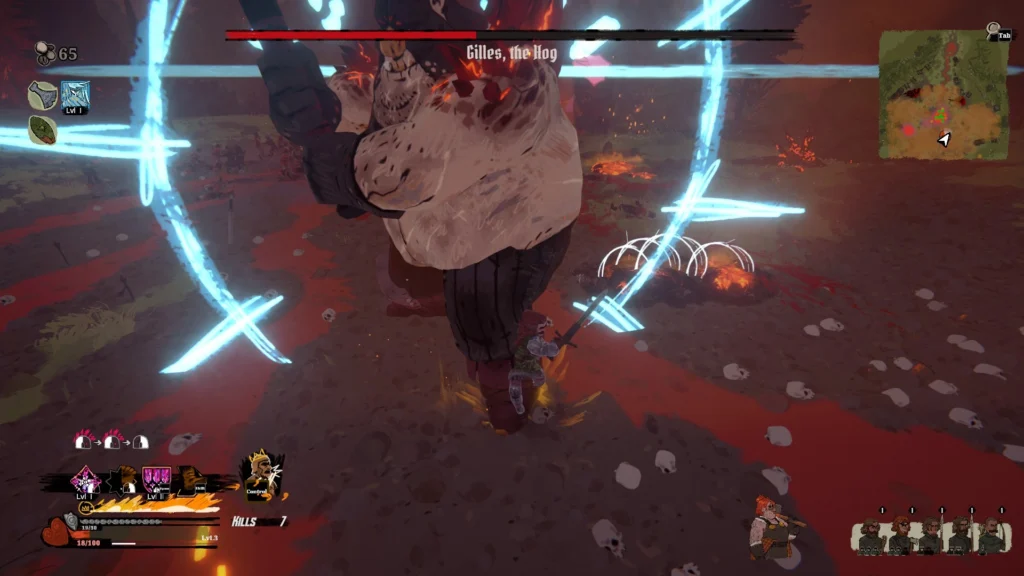
The story is present, but its role is to set the scene for the combat. I would say it’s the gameplay that Tears of Metal shines the most, which is crucial for any title that dares to put its flag as a Roguelike. While Tears of Metal has four characters to choose from, the demo is locked to only one. And it’s a wild Scotsman with his trusty sword and his will.
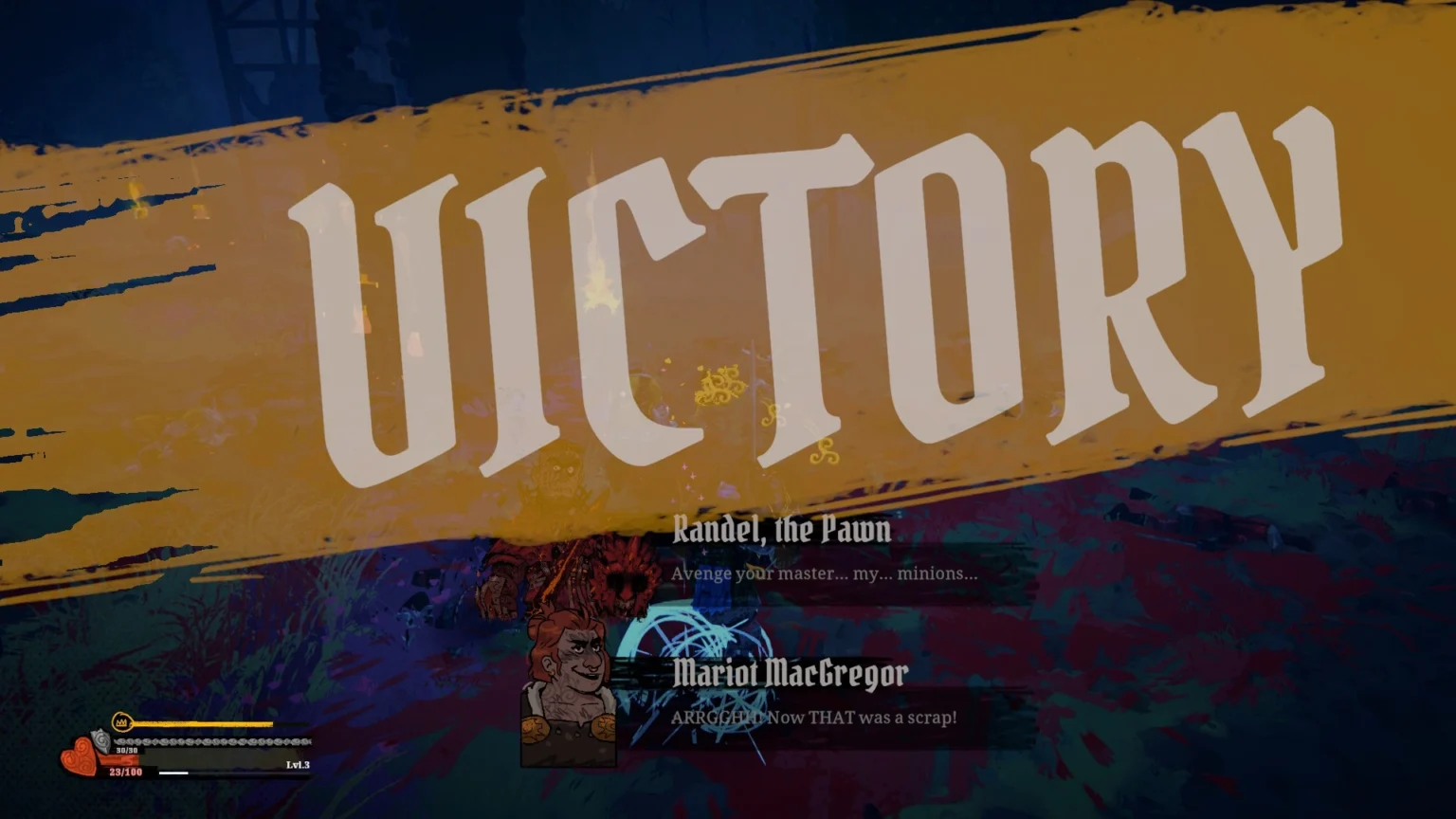
Basically, gameplay here breaks down to killing a massive horde of enemy soldiers with your own army. While you can command them to help you in the battle, the majority of the time, you will be on your own, fending off common fodder and high-level enemy soldiers with a knight shield and pointy weapons that easily caught me off guard many times. The trusty dodge and parry became a catchy rhythm of the Tears of Metal, followed by good ol’ heavy and light attacks. The game also rewards new perks that boost damage and create unique damage abilities after parries and dodges to make them more efficient in the gameplay.
While taking down common fodder by the droves did feel good, the game also threw heavily armored enemies to balance the battlefield. The game incentivized an offensive playstyle, and the rewards in terms of damage or perks always pushed me to charge and take them rather than sit out and let the minions handle everything.
Throughout my run, I encountered many perks; two of them stood out to me: one that added fire damage to all the melee attacks and the second that dropped blue orbs after dodges and counters. While fire damage is pretty self-explanatory, as it was nice seeing a forward slash launching a fire attack, pushing dozens of enemies away from their original location instantly killing them. The blue orb was more of a technical side; every dodge or counter I did dropped these blue orbs on the ground. Picking these orbs off the ground automatically launched these orbs towards the nearest tough enemy, significantly lowering the HP. These perks completely made the game different than the first run, which is one of the best aspects of any rogue-like game, enhancing replayability.
You are the Master of your Own Domain
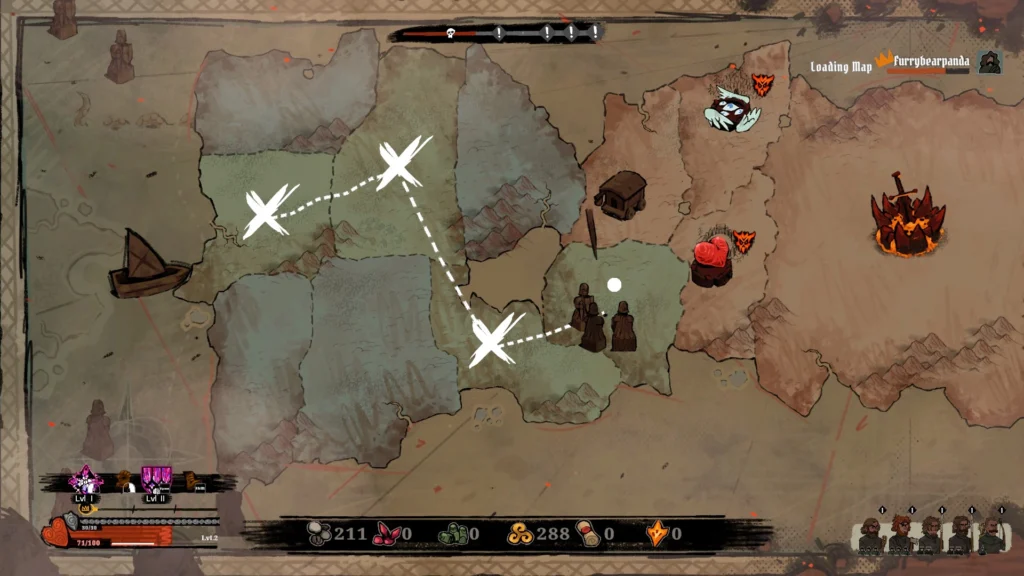
Tears of Metal leaves everything to the player; the notoriety system of clearing out more sections is a good example. Basically, the map is divided into different regions, and each region has something special in store. But the principle of the map stays the same. You will start from the left side of the map and make your way to the right to end it with a giant boss fight. Also note that the map layout changes between game sessions, thanks to the RNG element, enhancing the core of replayability.
I did manage to complete all the sections of the map for more rewards, but later I learnt that clearing every spot on the map also makes the game challenging. So, on one hand, I have more rewards, but on the other, a more difficult journey. The game rewards players who have honed the skill of combat, learning the boss’s moves.
After Death
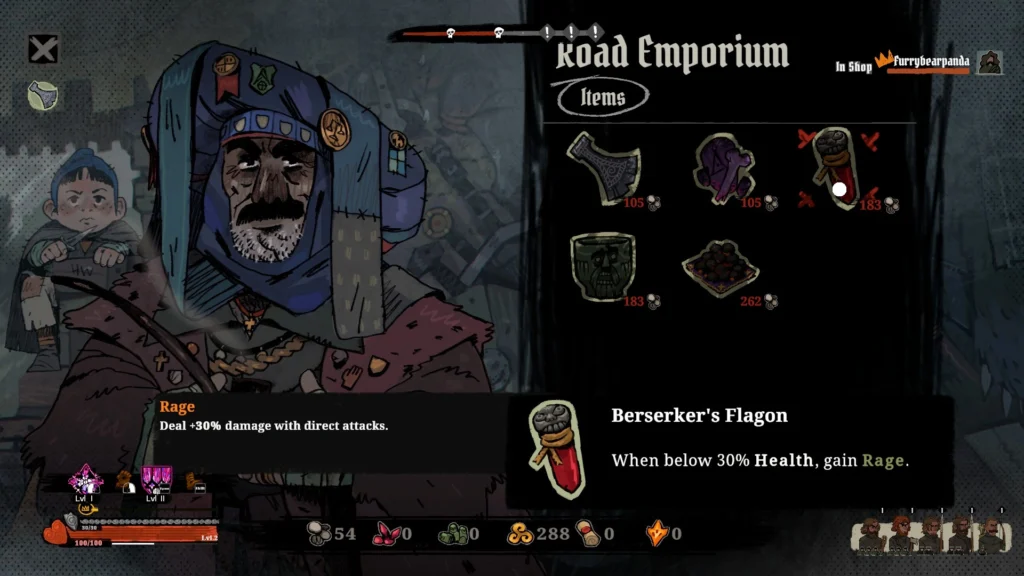
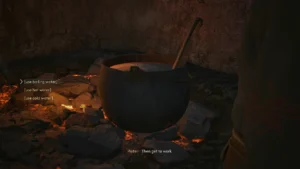
Death plays a crucial role in rougelites, as the game rewards you with permanent bonus effects and materials for base-building in your settlement or village. All to make your next round more efficient than the last, so you never feel the sense of getting weaker. Every death makes your character and the soldiers stronger. The material for base building comes from completing different regions of the map. The game also allows the player to level up common soldiers so they will be more effective on the next run.
Overall, Tears of Metal is a fun experience. The demo has only a few areas but it has many charms, collectibles to make the repeated playthrough memorable combat encounters. Although the game features coop, I didn’t get to try that one yet. So far, for the demo, you are locked to a melee character; it would be fun seeing ranged and magic-based combat with different characters. I highly recommend giving Tears of Metal a chance, especially if you have a knack for roguelikes. The demo is free, and you can get countless hours of it, honing the character and upgrades to ultimate perfection.
